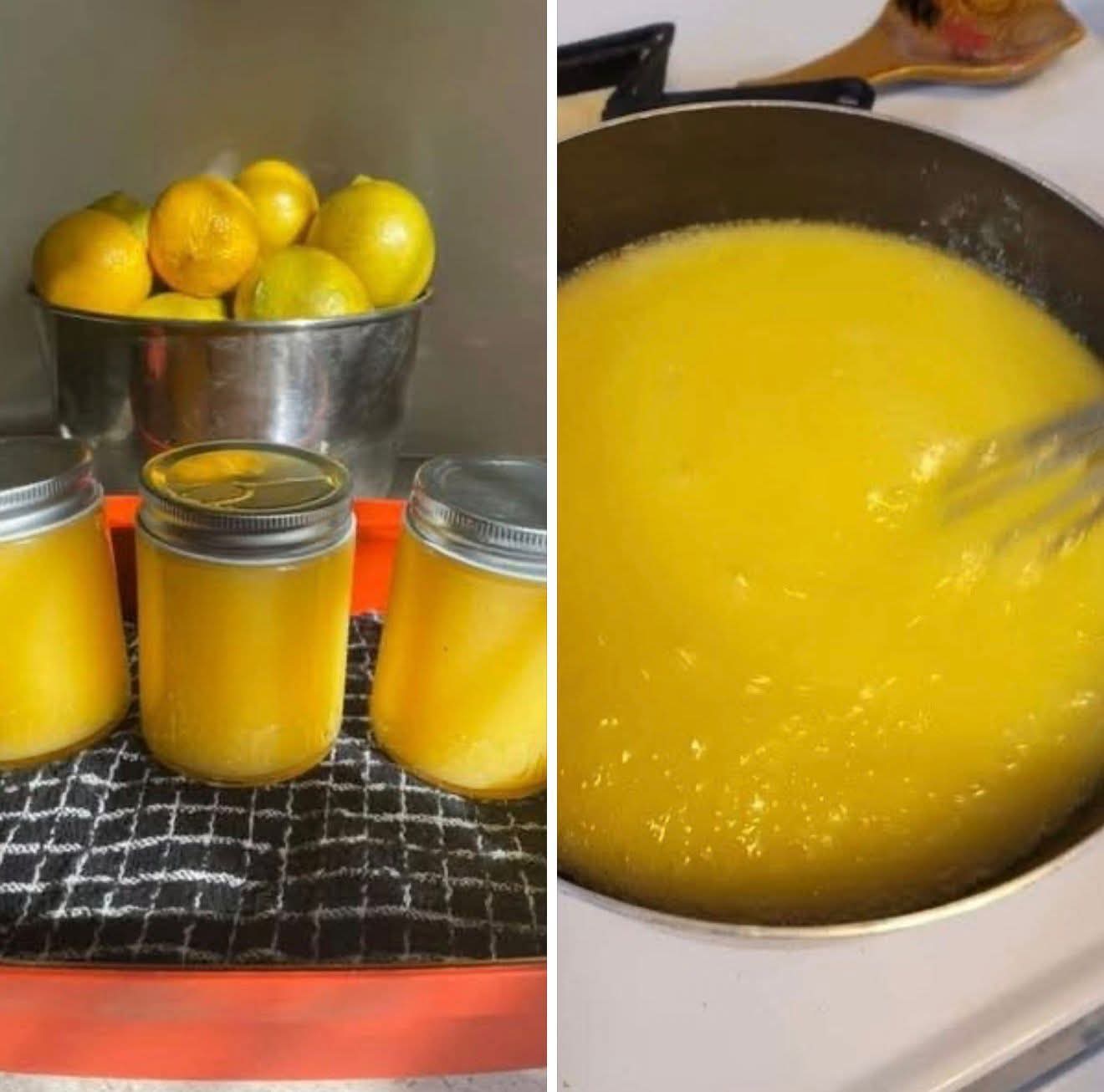
Homemade Lemon Curd
Few homemade treats feel as luxurious yet simple as a jar of fresh lemon curd. With its vibrant golden color, silky texture, and perfectly balanced sweet–tart flavor, lemon curd can instantly elevate everyday foods into something extraordinary. A spoonful on toast, a swirl in yogurt, or a layer inside cakes adds a burst of sunshine that brightens every bite.
While many people assume lemon curd is complicated to make, the truth is the opposite. With just a handful of basic ingredients and a little patience, you can create a smooth, glossy citrus spread that tastes infinitely better than anything from a jar at the store.
Homemade lemon curd captures the true brightness of fresh lemons and delivers a rich, buttery finish that feels both comforting and elegant.
In this complete guide, you’ll learn everything you need to know about making lemon curd from scratch — from ingredients and techniques to helpful tips, serving ideas, and timing. Once you make it yourself, it may quickly become one of your favorite homemade staples.
Introduction
Lemon curd is a classic citrus spread that originated in England and quickly became a beloved addition to afternoon tea tables. Traditionally served with scones, biscuits, or toast, this silky lemon custard has since become a staple ingredient in modern baking and desserts.
What makes lemon curd so special is its balance of flavors. The brightness of fresh lemon juice combines with sugar, eggs, and butter to create a creamy mixture that is both tangy and sweet. The eggs gently thicken the curd into a custard-like consistency, while the butter adds richness and smoothness.
Homemade lemon curd is incredibly versatile. It can be used as a spread, filling, topping, or even a dessert component. Whether layered in cakes, spooned over pancakes, or enjoyed straight from the jar, its bright citrus flavor always stands out.
The best part? It only takes about 15 minutes of cooking time and requires very simple ingredients that most kitchens already have.
Why This Recipe Works
There are several reasons why homemade lemon curd turns out beautifully every time when prepared correctly.
First, fresh lemon juice provides intense flavor that bottled juice simply cannot match. The natural oils from lemon zest add another layer of citrus aroma, making the curd taste vibrant and fragrant.
Second, eggs play a crucial role in thickening the mixture. As they gently cook with the lemon juice and sugar, they create a smooth custard-like consistency without the need for flour or cornstarch.
Butter is another important element. Adding butter at the end of cooking enriches the curd, making it silky, glossy, and incredibly smooth.
Finally, slow and gentle cooking ensures that the eggs thicken the mixture properly without scrambling. Constant stirring allows the curd to develop a velvety texture while preventing lumps.
These simple techniques work together to create a lemon curd that is creamy, bright, and perfectly balanced.
What You’ll Need For This Recipe
The beauty of lemon curd lies in its simplicity. You only need a few ingredients, but each one plays an essential role in flavor and texture.
Fresh lemon juice is the star ingredient. It provides the bright citrus flavor that defines lemon curd. Using fresh lemons ensures the best taste and aroma.
Lemon zest intensifies the citrus flavor. The natural oils in the lemon peel give the curd a deeper lemon fragrance.
Granulated sugar balances the tartness of the lemon juice. Without enough sugar, the curd would taste overly sour.
Eggs help thicken the mixture and create a custard-like texture. They give lemon curd its signature smooth consistency.
Unsalted butter adds richness and creates the silky finish that makes lemon curd so luxurious.
A small pinch of salt enhances all the flavors and prevents the curd from tasting overly sweet.
Ingredients list:
½ cup fresh lemon juice (about 3–4 lemons)
1 tablespoon lemon zest
1 cup granulated sugar
3 large eggs
½ cup unsalted butter, cut into pieces
Pinch of salt
How To Make This Recipe
Making lemon curd is simple, but following the correct steps ensures a perfectly smooth result.
Start by washing and drying the lemons. Zest the lemons first because it becomes difficult to zest them once they are cut. After zesting, cut the lemons in half and squeeze out the juice.
In a medium bowl, whisk together the eggs and sugar until the mixture becomes pale and smooth. This step helps dissolve the sugar and ensures the eggs cook evenly.
In a saucepan, combine the lemon juice, lemon zest, and salt. Warm the mixture over medium heat until it begins to steam.
To prevent the eggs from scrambling, temper them. Slowly add a small amount of the warm lemon mixture into the egg mixture while whisking constantly. This gradually raises the temperature of the eggs.
Once combined, pour the mixture back into the saucepan.
Cook over low to medium heat while stirring constantly with a spatula or whisk. After several minutes, the mixture will begin to thicken.
You will know the curd is ready when it coats the back of a spoon and leaves a clear line when you run your finger through it.
Remove the saucepan from heat and add the butter pieces. Stir until the butter melts completely and the curd becomes smooth and glossy.
For the smoothest texture, strain the curd through a fine mesh sieve into a clean bowl or jar.
Allow it to cool before refrigerating.
Tips + Tricks & More For Recipe Success
While lemon curd is easy to make, a few helpful tips can guarantee perfect results every time.
Always use fresh lemons. Fresh juice provides the brightest flavor and natural aroma.
Cook the mixture slowly. High heat can cause the eggs to scramble, creating a grainy texture.
Stir constantly. Continuous stirring prevents the curd from sticking to the bottom of the pan and ensures even thickening.
Strain the curd after cooking. Even if the mixture looks smooth, straining removes zest and any small cooked egg bits.
Let the curd chill completely. It will thicken further in the refrigerator and develop a spreadable consistency.
Use a heavy-bottom saucepan if possible. This distributes heat evenly and reduces the risk of burning.
If your curd becomes too thick, you can whisk in a small amount of lemon juice while it is still warm.
How to Serving
Lemon curd can be served in many simple and elegant ways. Because of its rich texture and bright flavor, even a small spoonful can enhance many dishes.
One of the most classic ways to serve lemon curd is with freshly baked scones or biscuits. The tangy sweetness pairs beautifully with buttery baked goods.
Another popular option is spreading it over warm toast, muffins, or croissants for a bright breakfast treat.
Lemon curd also works wonderfully as a dessert topping. A dollop on vanilla ice cream, cheesecake, or pound cake adds refreshing citrus flavor.
For a lighter option, stir lemon curd into yogurt or oatmeal to create a creamy, citrusy breakfast bowl.
It can also be used as a filling between cake layers, inside pastries, or in fruit tarts.
Serving Suggestion
There are countless creative ways to enjoy lemon curd.
Spread it inside cupcakes for a surprise citrus center.
Use it as a filling for macarons or sandwich cookies.
Layer it in parfaits with whipped cream and fresh berries.
Swirl it into cheesecake batter before baking.
Serve it with pancakes or waffles instead of syrup.
Fill crepes with lemon curd and top with powdered sugar.
Pair it with vanilla yogurt and granola for a quick breakfast.
Add a spoonful to fruit salads for a citrus glaze.
Use it as a tart filling topped with fresh berries.
Serve it alongside tea cakes or shortbread cookies.
Because lemon curd stores well, keeping a jar in the refrigerator means you always have a quick way to enhance desserts and breakfasts.
Time
One of the best parts about this recipe is how quick it is to prepare.
Prep Time: 10 minutes
Cook Time: 10 minutes
Cooling Time: 1 hour
Total Time: About 1 hour 20 minutes
Active cooking time is very short, making lemon curd a fast recipe with impressive results.
Storage Tips
Proper storage helps maintain the freshness and flavor of lemon curd.
Store lemon curd in an airtight glass container or jar in the refrigerator. It will stay fresh for up to two weeks.
For longer storage, lemon curd can also be frozen. Place it in a freezer-safe container, leaving some space at the top for expansion.
Frozen lemon curd keeps well for up to three months.
To use frozen curd, thaw it overnight in the refrigerator and stir well before serving.
Common Mistakes to Avoid
Even though lemon curd is simple, avoiding a few mistakes will help you achieve perfect results.
Do not cook the mixture over high heat. Slow cooking prevents curdling.
Avoid skipping the tempering step. Adding hot liquid too quickly to eggs can scramble them.
Do not stop stirring while cooking. Constant movement ensures smooth texture.
Avoid bottled lemon juice if possible. Fresh lemons make a huge difference in flavor.
Always strain the finished curd for the smoothest result.
Creative Variations
Once you master classic lemon curd, you can experiment with different citrus flavors.
Lime curd offers a sharper and more tropical flavor.
Orange curd creates a sweeter and softer citrus spread.
Grapefruit curd delivers a slightly bitter, sophisticated taste.
You can also mix citrus varieties together for unique flavor combinations.
Another fun variation is adding vanilla or ginger for extra warmth and depth.
Final Thoughts
Homemade lemon curd is one of the most rewarding recipes you can make in your kitchen. With only a handful of ingredients and a few minutes of cooking time, you can create a luxurious citrus spread that tastes fresh, vibrant, and far better than store-bought versions.
Its versatility makes it perfect for breakfast, desserts, baking projects, or simple snacks. Whether spread on toast, layered in cakes, or enjoyed by the spoonful, lemon curd delivers a burst of bright flavor in every bite.
Once you make it yourself, you may find that a jar of homemade lemon curd quickly becomes a staple in your refrigerator — ready to add a little sunshine to any dish.