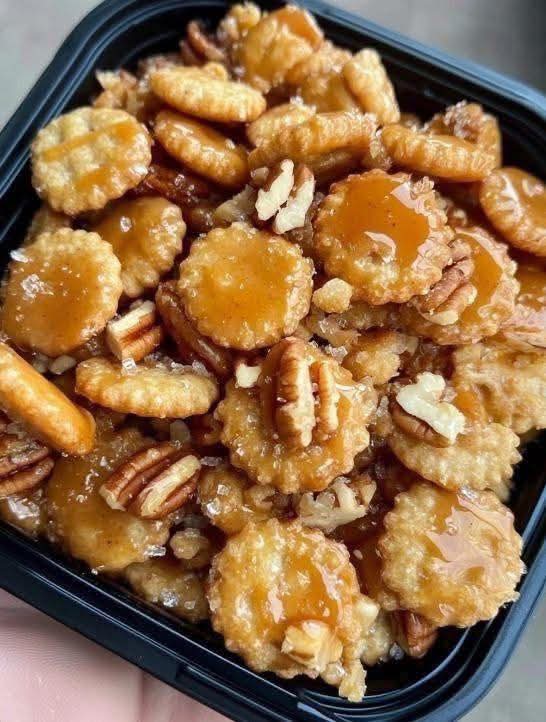
1. Introduction: The Magic of French Toast Bites
French Toast Bites are one of those comforting, nostalgic breakfasts that instantly transport you back to cozy weekend mornings, bustling family kitchens, and warm scents of cinnamon drifting through the air.
This classic recipe takes everything people love about traditional French toast—rich custard, golden edges, soft centers—and turns it into an easy-to-eat, poppable version that’s perfect for sharing, dipping, snacking, or entertaining.
Whether you’re cooking for kids, brunch guests, or simply yourself, French Toast Bites combine convenience with impressive flavor in a way few breakfast dishes do.
What makes this recipe especially appealing is its versatility. A simple custard, a few slices of good bread, a skillet, and about twenty minutes are all you need.
From there, you can customize it endlessly with coatings, dips, toppings, or even savory twists.
You’ll find that these bites cook faster than whole slices, get crispier on all sides, and absorb the custard more evenly. That means richer flavor, better texture, and a more fun eating experience.
This article will guide you through why this recipe works so well, how to make it perfectly every time, what you’ll need, expert techniques, serving ideas, variations, and time breakdowns—all organized with clear headings for smooth reading.
2. Why This Recipe Works So Perfectly
This recipe succeeds because it focuses on balance: enough custard to soak each bread cube thoroughly, the right heat to create golden edges without burning, and ingredients that enhance flavor without overpowering the classic French toast taste.
Key reasons this recipe is foolproof:
Bread choice matters: Thick, sturdy breads like brioche, challah, and Texas toast hold moisture without falling apart. Their slightly sweet flavors complement the custard beautifully.
Small cubes = more crispy surface area: Cutting the bread into 1-inch bites gives every piece a golden exterior while keeping the inside soft.
Custard ratio is ideal: The blend of eggs, milk, vanilla, cinnamon, and a touch of sugar creates a classic flavor that coats the bread evenly and cooks into a creamy interior.
Pan-frying gives superior texture: Cooking the bites in butter adds richness and promotes browning.
Quick cook time: The bites are small, so they cook efficiently, ensuring the centers stay tender without becoming soggy.
This balance of texture, flavor, and technique is what keeps this classic recipe reliable for busy mornings and special occasions alike.
3. What You’ll Need for This Recipe
Gathering everything before you begin makes the cooking process smoother and more enjoyable. Here is what you’ll need:
Ingredients:
4–5 thick slices of brioche, challah, or Texas toast
2 large eggs
1/4 cup (60 ml) milk or heavy cream
2 tablespoons sugar or maple syrup
1 teaspoon vanilla extract
1/2 teaspoon ground cinnamon
A pinch of salt
2 tablespoons unsalted butter
Recommended Tools:
Cutting board
Sharp knife
Medium mixing bowl
Whisk
Spatula
Non-stick skillet or griddle
Small tongs (optional but helpful)
Using high-quality bread and real butter makes a noticeable difference in both flavor and texture, so don’t hesitate to choose good ingredients when possible.
4. How to Make This Recipe Step-by-Step
This recipe is simple, but understanding the purpose of each step helps you achieve consistent results.
Step 1: Prep the Bread
Cut your bread slices into roughly 1-inch cubes. If your bread is very fresh, let the cubes sit for 5–10 minutes to dry slightly. This helps them absorb the custard without breaking down.
Step 2: Make the Egg Mixture
Whisk eggs, milk, sugar (or maple syrup), vanilla, cinnamon, and salt in a medium bowl until the mixture is smooth and lightly frothy.
Step 3: Soak the Bread
Add the bread cubes to the custard and gently fold until every piece is coated. Let them sit for 2–3 minutes. They should absorb the mixture but remain firm enough to hold their shape.
Step 4: Preheat the Skillet
Melt 1 tablespoon of butter over medium heat. The butter should foam but not burn.
Step 5: Cook in Batches
Add half the soaked bread cubes in a single layer. Let them cook for 2–4 minutes, stirring or turning frequently, until all sides are golden brown.
Step 6: Repeat
Transfer the cooked bites to a plate, add the remaining butter to the skillet, and cook the second batch the same way.
Step 7: Serve Warm
French Toast Bites taste best fresh from the skillet, when they’re warm and crisp.
5. Tips + Tricks for Recipe Success
These expert tips will help you elevate your results and avoid common mistakes.
Use slightly stale bread: Day-old bread absorbs more custard without falling apart.
Don’t skip the cinnamon: It adds flavor, aroma, and warmth to the custard.
Use medium heat: Too high will burn the butter and brown the bites too quickly.
Cook in batches: Overcrowding leads to steaming instead of crisping.
Toss frequently: Turning the cubes every 10–15 seconds helps them brown evenly.
Use tongs: They make flipping small bites easier.
Add butter as needed: If the pan gets dry, the bites won’t brown properly.
Customize the sweetness: You can reduce or increase sugar to your taste.
Try heavy cream: It creates a richer custard and a more luxurious texture.
Serve immediately: These bites are at their peak right out of the pan.
6. Variations to Customize Your French Toast Bites
One of the best things about this recipe is how easily you can adapt it to any flavor or occasion.
1. Cinnamon Sugar Coating
Toss the warm bites in a mixture of cinnamon and sugar for a churro-style finish.
2. Stuffed French Toast Bites
Make mini sandwiches using cream cheese, Nutella, or peanut butter before soaking them in custard.
3. Baked French Toast Bites
Bake at 375°F (190°C) for 15–20 minutes for a hands-off version.
4. Savory Version
Skip sugar and cinnamon, add herbs and seasonings, and sprinkle Parmesan on top.
5. Healthier Baked Version
Use whole wheat bread and drizzle with honey or maple syrup instead of sugar.
7. The Best Bread Options for Perfect Texture
Choosing the right bread makes a dramatic difference:
Brioche: Rich, soft, buttery—top choice.
Challah: Slightly sweet with great structure.
Texas Toast: Thick slices that soak well.
French bread: Good when slightly stale.
Whole wheat: Works great for a healthier variation.
Avoid thin or flimsy sandwich bread; it tends to fall apart.
8. How to Get the Perfect Golden Brown Exterior
To achieve a beautiful crust:
Preheat the pan properly before adding the bread.
Use real butter—its milk solids brown beautifully.
Stir frequently but not constantly. Allow each side to contact the heat.
If the pan gets too hot, lower the heat slightly to prevent burning.
Don’t overcrowd the pan.
These simple adjustments ensure evenly crisp, golden results.
9. Flavor Boosters to Take This Recipe Even Further
Consider adding:
A splash of orange juice or zest
A pinch of nutmeg
Almond extract (sparingly)
A spoonful of brown sugar instead of white
Coconut sugar or honey for a deeper flavor
A dusting of powdered sugar on top
These optional touches subtly elevate the dish without complicating the recipe.
10. How to Serve French Toast Bites
The beauty of French Toast Bites is that they work for many occasions:
Breakfast or brunch centerpiece
Snackable finger food for kids
A brunch party dish everyone can grab
As a dessert with sweet dips
Part of a breakfast board or platter
Serve them warm from the skillet for the best flavor and texture.
11. Serving Suggestions and Topping Ideas
Here are delicious ways to finish your bites:
Maple syrup or honey
Powdered sugar
Whipped cream
Fresh berries or sliced bananas
A drizzle of caramel or chocolate sauce
Greek yogurt and fruit
Cinnamon sugar
Crushed nuts
Berry compote
Peanut butter drizzle
Pair the bites with bacon, fruit salad, or a hot drink for a full breakfast experience.
12. Dipping Sauces for Extra Fun
Turn your French Toast Bites into a dunkable treat with these dip ideas:
Vanilla icing
Warm maple butter
Chocolate ganache
Fruit syrup or jam
Cream cheese frosting
Nutella sauce
Salted caramel dip
Lemon glaze
These are especially great for brunch gatherings or serving kids.
13. Time Breakdown for This Recipe
Here is the complete timing overview:
Prep Time: 10 minutes
Cook Time: 10 minutes
Total Time: 20 minutes
Servings: 2–3 generous portions
This makes it ideal for quick weekday breakfasts or relaxed weekend mornings.
14. Final Thoughts: Why You’ll Make This Again and Again
This classic French Toast Bites recipe checks every box—fast, flavorful, comforting, customizable, and family-friendly.
Once you try the base version, you’ll find endless ways to tweak and personalize it.
Whether you prefer cinnamon-sugar coated bites, Nutella-stuffed cubes, savory herb-infused versions, or easy baked pans for parties, the versatility of this recipe ensures it fits any craving or occasion.
In just twenty minutes, you can serve warm, golden, delicious French Toast Bites that disappear faster than you can make them.
And with the tips, variations, and serving ideas provided here, you now have everything you need to turn this simple recipe into a signature dish.