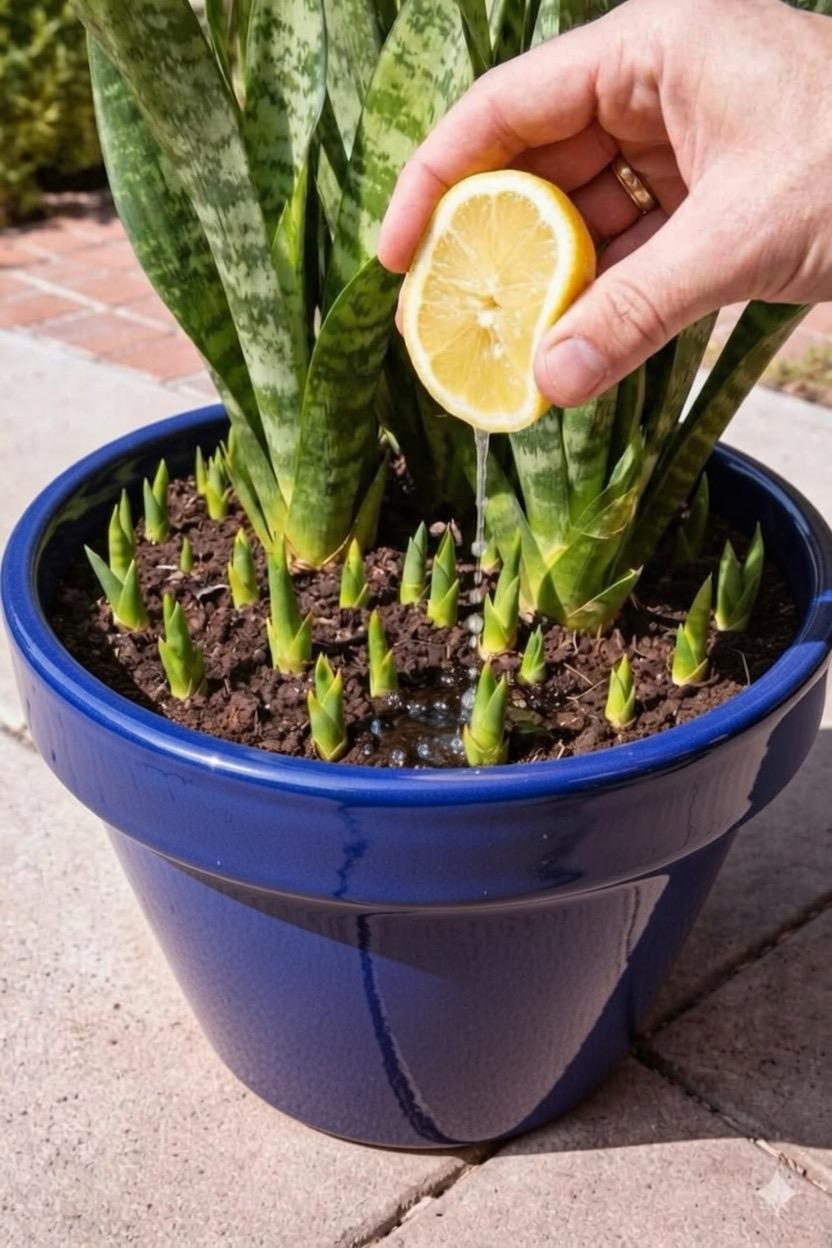
If you’ve ever grown a snake plant, you know how exciting it is to see those little pups popping up from the soil. It’s a clear sign your plant is healthy, happy, and ready to multiply. But sometimes, even a healthy-looking plant just sits there — no spreading, no babies, no action.
The good news? You can absolutely encourage your snake plant to produce more pups. It all comes down to understanding how it grows and making a few smart adjustments.
🌿 Understanding How Snake Plants Produce Pups
The snake plant, also known as (formerly classified under ), spreads through underground stems called rhizomes. These thick, horizontal stems grow beneath the soil surface and store energy. When conditions are right, they push up new shoots — the pups.
If your plant isn’t producing pups, it usually means one of its basic needs isn’t optimized for expansion.
Let’s fix that.
🪴 Pot Size: A Little Root Stress Is Good
One of the most common mistakes is using a pot that’s too large.
Snake plants actually prefer being slightly root-bound. When the roots feel snug and slightly crowded, the plant responds by sending out rhizomes to find new space — which results in more pups.
What to do:
Use a pot only 1–2 inches wider than the root ball.
If your plant has been sitting in a large pot with no growth, consider downsizing.
Terra cotta pots are ideal because they improve airflow and reduce excess moisture.
Too much space = fewer pups. Slight restriction = more babies.
☀️ Light: The Faster Growth Trigger
Snake plants survive in low light — but they do not thrive in it.
If you want pups, bright indirect light is essential. In their native habitat, they grow in open, sunny regions, so replicating that environment speeds up rhizome production.
For best results:
Provide 6–8 hours of bright, indirect light daily.
A south- or east-facing window works beautifully.
No natural light? A basic grow light can make a dramatic difference.
Plants in dim corners grow slowly and rarely produce pups. Brighter light = faster multiplication.
💧 Watering Strategy: Dry, Then Soak
Overwatering is one of the biggest reasons snake plants stop expanding.
When soil stays damp, the plant focuses on survival instead of spreading. The key is allowing the soil to dry out completely between waterings.
Simple rule:
Water only when the soil is 100% dry.
This is usually every 2–3 weeks, depending on your climate.
Water deeply, then allow excess to drain fully.
Never let the plant sit in soggy soil — that can damage rhizomes and stop pup growth entirely.
🌡️ Temperature: Warmth Encourages Growth
Snake plants grow fastest between 70–85°F (21–29°C).
They tolerate cooler conditions down to 50°F (10°C), but growth slows dramatically.
If you want to encourage pups:
Keep the plant in a warm, bright area.
Increase light exposure slightly in early spring.
Resume regular watering as the growing season begins.
Growth often explodes once temperatures rise.
🌱 Fertilizer: Less Is More
Snake plants are light feeders, but a small boost during spring and summer can stimulate pup production.
Use:
A balanced liquid fertilizer
Diluted to half strength
Once every 6 weeks during active growth
Be careful not to overfeed. Too much fertilizer encourages tall leaf growth instead of rhizome spreading.
Moderate feeding = balanced expansion.
✂️ Dividing Pups to Stimulate More
If your plant already has pups, separating them can actually trigger the mother plant to produce even more.
How to divide properly:
Wait until the pup has 3–4 leaves and strong roots.
Remove the plant gently from the pot.
Locate the rhizome connection.
Cut with a clean knife or shears.
Let the cut area dry for a few hours before repotting.
Fresh soil + a snug pot = faster new growth.
🚨 Troubleshooting Slow Pup Production
If your plant still refuses to multiply, check these:
Healthy but no pups? → It may be too comfortable. Try a smaller pot or brighter location.
Rhizomes visible but no shoots? → Add a small fertilizer boost and slightly increase watering.
Plant looks stressed or stagnant? → Check for root rot. Overwatering can damage rhizomes and stop growth completely.
Final Tip: Patience + Proper Conditions
Snake plants don’t multiply overnight. But when light, warmth, root space, and watering are balanced, they respond beautifully.
Create a slightly snug, bright, warm environment — and those pups will come.
With the right adjustments, one plant can turn into many 🌿