Introduction
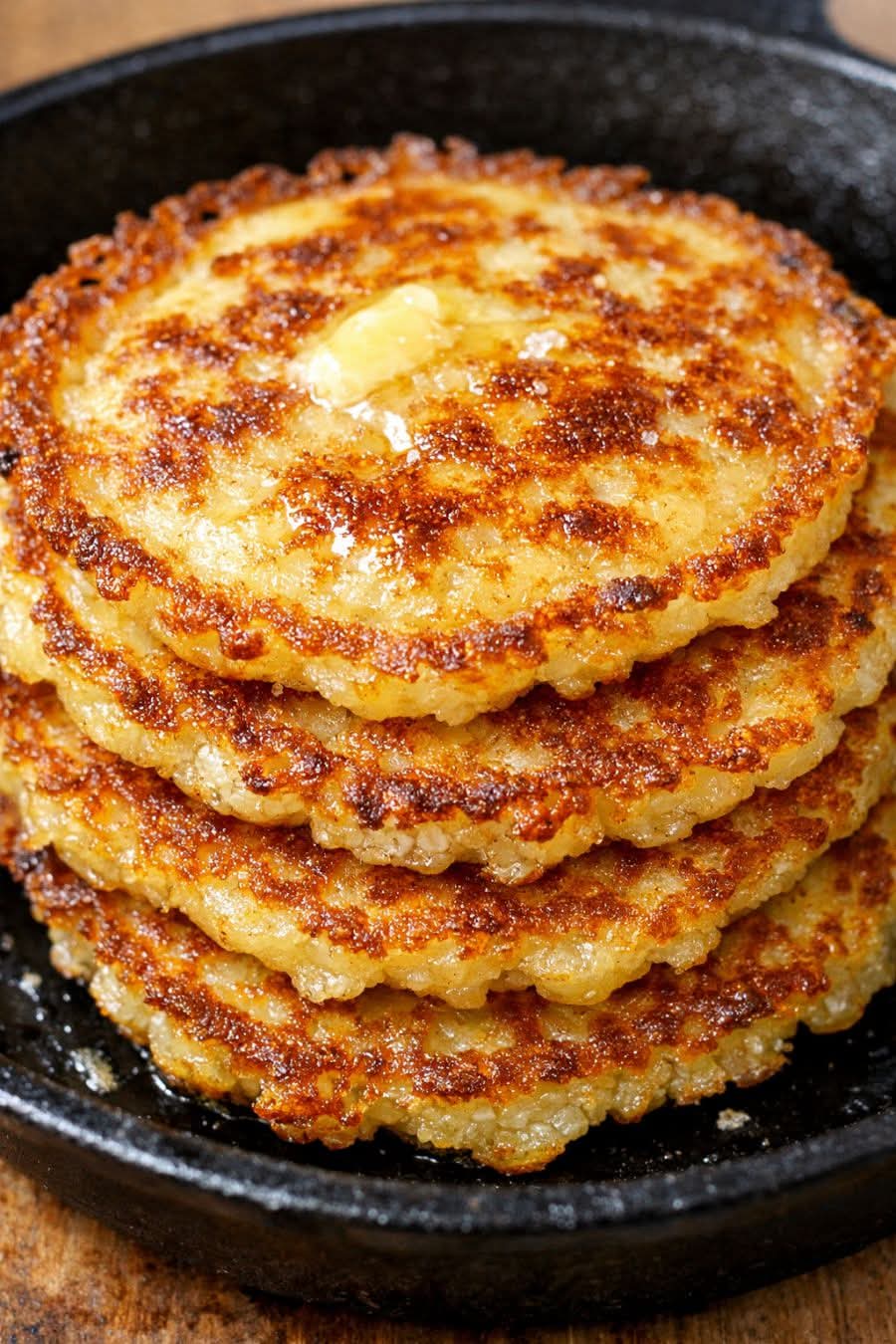
Southern 4-Ingredient Poor Man Hoecakes are crisp-edged cornmeal cakes prepared with a short list of inexpensive kitchen staples. Cooked in a hot skillet until deeply golden, they develop a crunchy exterior while remaining moist and tender in the center.
Hoecakes are often compared to pancakes, but their flavor and texture are distinctly different. Cornmeal gives them a rustic texture and a pronounced corn flavor, while an egg binds the batter together. Milk or water provides the necessary moisture, and bacon grease or vegetable oil creates the crisp, browned surface.
The recipe is quick enough for breakfast but versatile enough to accompany lunch or dinner. Serve the cakes with butter, syrup, or honey for a sweeter presentation, or pair them with beans, greens, eggs, soups, and stews for a savory meal.
Only four primary ingredients are required, and the batter takes approximately five minutes to prepare. For the best results, use a well-heated cast-iron skillet and cook the hoecakes in small batches so each one has enough room to brown evenly.
Prep time: 5 minutes
Cook time: 15 minutes
Total time: 20 minutes
Yield: Approximately 6–8 hoecakes
Why This Recipe Works
Southern 4-Ingredient Poor Man Hoecakes rely on a simple balance of structure, moisture, binding, and fat. Each ingredient has a specific purpose, so the cakes hold together without becoming heavy.
Cornmeal provides structure
Yellow cornmeal forms the foundation of the batter. It absorbs the liquid and gives the cakes their rustic texture. Unlike wheat-based pancakes, hoecakes have a slightly coarse crumb and a more noticeable corn flavor.
The egg holds the batter together
Because the recipe does not include all-purpose flour, the egg is important for binding the cornmeal. It also contributes moisture, color, and richness. Once cooked, the egg helps each hoecake remain intact when lifted and flipped.
Milk or water controls the consistency
Milk produces a richer, slightly softer center, while water keeps the recipe especially simple and allows the cornmeal flavor to remain prominent. Either liquid can create a pourable batter suitable for skillet cooking.
Hot fat creates crispy edges
Bacon grease provides savory flavor and promotes deep browning. Vegetable oil is a reliable neutral substitute. When the batter meets the properly heated fat, the outside begins setting immediately, which limits oil absorption and creates crisp edges.
Thin portions cook quickly
Using only 2–3 tablespoons of batter per cake keeps the hoecakes relatively thin. This allows the centers to cook before the surfaces become too dark. It also creates a greater proportion of browned crust in every serving.
Ingredients You’ll Need
Use the following quantities to make approximately 6–8 skillet hoecakes:
- 1 cup plain yellow cornmeal
- 3/4 cup whole milk or water
- 1 large egg
- 2–3 tablespoons bacon grease or vegetable oil, plus more as needed for cooking
A pinch of salt may be added as an optional ingredient, particularly when using vegetable oil or unsalted bacon grease.
Ingredient Notes and Substitutions
Yellow cornmeal
Plain yellow cornmeal gives these cakes their familiar golden appearance and rustic corn flavor. Medium-ground cornmeal provides a noticeable texture, while finely ground cornmeal creates a softer, more uniform center.
Stone-ground cornmeal can also be used, but it may absorb liquid differently. Allow the mixed batter to rest for about five minutes, then evaluate its consistency before cooking. Add a small splash of milk or water if it becomes too thick.
Check the package carefully before measuring. Plain cornmeal is different from self-rising cornmeal mix, which may already contain flour, salt, and leavening. This recipe is written for plain yellow cornmeal.
Milk or water
Whole milk gives the cakes a richer taste and a slightly more tender interior. Reduced-fat milk can be substituted without substantially changing the preparation.
Water is the most economical option and produces a cake with a more direct corn flavor. Begin with the same quantity and adjust by the tablespoon if necessary.
Buttermilk may be used as an optional variation, but its thickness can make the batter less fluid. Add a small amount of water if needed to achieve a pourable consistency.
Egg
Use one large egg at room temperature or directly from the refrigerator. Whisk it briefly before combining it with the liquid so it disperses evenly through the cornmeal.
No practical egg-free substitution is recommended for this particular four-ingredient formula. Without the egg, the cakes may be more fragile and difficult to flip.
Bacon grease or vegetable oil
Bacon grease gives the hoecakes a smoky, savory character and helps produce a deeply browned crust. Because its salt level varies, taste the first cooked cake before adding optional salt to the batter.
A neutral vegetable oil, such as canola or corn oil, is a suitable alternative. Choose an oil appropriate for skillet cooking. Butter is not the best primary frying fat because its milk solids can burn before all the cakes are finished, though butter may be added on top when serving.
How to Make Southern 4-Ingredient Poor Man Hoecakes
Prepare the skillet
Place a cast-iron skillet over medium heat. Add 2–3 tablespoons of bacon grease or vegetable oil, using enough to coat the bottom in a thin, visible layer.
Let the skillet heat gradually. The fat should shimmer but should not smoke. Cast iron retains heat well, so avoid using high heat, which can burn the exterior before the center cooks.
Mix the batter
Place 1 cup of yellow cornmeal in a medium mixing bowl. Add a small pinch of salt if desired.
In a separate cup or small bowl, whisk together 3/4 cup of milk or water and one large egg. Pour the wet mixture into the cornmeal and stir until evenly combined.
The batter should be pourable but not watery. It will generally be thinner than standard breakfast pancake batter. Let it rest for 3–5 minutes so the cornmeal can begin absorbing the liquid.
After resting, lift some batter with a spoon. It should pour off easily while retaining enough body to form a round in the skillet. If it appears unusually thick, stir in milk or water 1 tablespoon at a time. If it spreads like water, mix in a small amount of cornmeal.
Test the cooking fat
Drop approximately 1/4 teaspoon of batter into the skillet. It should sizzle as soon as it touches the hot fat. If it sits without sizzling, allow the skillet to heat a little longer.
If the test batter browns almost immediately or the oil begins smoking, reduce the heat and let the skillet cool slightly.
Portion the hoecakes
Spoon 2–3 tablespoons of batter into the skillet for each cake. Let the batter spread naturally into rounds approximately 3–4 inches wide.
Do not overcrowd the pan. Depending on its size, cook two or three cakes at a time, leaving enough space to slide a spatula underneath each one.
Cook the first side
Cook for approximately 2–3 minutes. The edges should look set and visibly browned, and small bubbles may appear across the surface.
Avoid moving the cakes too soon. Allowing the first side to form a complete crust makes flipping much easier.
Flip and finish cooking
Slide a thin, wide spatula fully underneath each hoecake. Turn it gently and cook the second side for another 1–2 minutes, or until golden brown and firm in the center.
When checked with a food thermometer, the egg-based center should reach at least 160°F (71°C). The center should not look wet or release uncooked batter when lightly pressed.
Drain and repeat
Transfer the finished cakes to a wire rack placed over a sheet pan or to a paper-towel-lined plate. A rack preserves more of the crisp texture, while paper towels absorb additional grease.
Stir the batter before each new batch because cornmeal can settle at the bottom. Add more bacon grease or oil to the skillet as necessary and allow it to reheat before adding more batter.
Serve the hoecakes while hot for the crispiest texture.
Tips and Tricks for Recipe Success
Heat the skillet before adding the batter
Proper preheating is essential. Batter added to a cool skillet absorbs more grease and may spread without developing a crisp crust. A small test drop is the easiest way to confirm that the pan is ready.
Maintain medium heat
The skillet becomes hotter as it remains on the burner. Adjust the temperature between batches if the cakes begin browning more quickly. Medium or medium-low heat is usually more reliable than high heat.
Allow the batter to rest briefly
A short rest gives the cornmeal time to hydrate. This improves cohesion and reduces the chance of a dry or gritty center. Do not leave the batter for an extended period without checking it, because it will continue thickening as it stands.
Keep the batter pourable
A very thick batter produces dense cakes that may remain dry in the center. An excessively thin batter can spread too far and break during flipping. Make small adjustments with liquid or cornmeal rather than adding a large quantity at once.
Flip only once
Repeated flipping can damage the crust and cause the hoecakes to break apart. Wait until the edges are set and the bottom releases easily, then turn each cake once.
Use a wide spatula
Cornmeal cakes are more delicate than wheat-flour pancakes. A thin, wide spatula supports the entire cake and reduces cracking during transfer.
Cook a test hoecake
Use the first cake to evaluate the batter, skillet temperature, and seasoning. If it spreads too much, add a little cornmeal. If it is thick or dry, add a splash of liquid. Adjust the heat if the exterior browns before the center sets.
Keep finished cakes warm correctly
If serving the entire batch at once, place the cooked hoecakes on a wire rack set over a baking sheet. Keep them in a 200°F (95°C) oven for no longer than about 20 minutes. Avoid stacking or tightly covering them because trapped steam softens the crust.
Recipe Variations
The basic recipe uses only four ingredients. Any additions below are optional variations.
Sweeter breakfast hoecakes
Add 1–2 teaspoons of granulated sugar to the batter. Serve the cooked cakes with butter, maple syrup, honey, or fruit preserves.
Buttermilk hoecakes
Replace the milk or water with buttermilk for a tangier flavor. Because buttermilk is thicker, thin the batter with a small amount of water if it does not pour easily.
Peppery savory hoecakes
Add optional freshly ground black pepper to the batter. These cakes pair particularly well with eggs, beans, greens, and savory stews.
Mini appetizer hoecakes
Use approximately 1 tablespoon of batter for each cake. Cook until browned on both sides, reducing the cooking time as needed. Serve the mini hoecakes with optional pimento cheese, a savory spread, or spicy honey.
Crisp, thin hoecakes
Add 1–2 tablespoons of liquid to produce a slightly thinner batter, then use 2 tablespoons for each portion. Let the batter spread into a thin round and cook until the edges become deeply crisp.
Thicker, softer hoecakes
Use slightly less liquid or allow the batter to rest longer. Portion about 3 tablespoons per cake and cook over moderate heat so the center has time to set without burning the exterior.
How to Serve
Transfer the freshly cooked hoecakes to a warm platter and serve them as soon as possible. Their crisp edges begin softening as they cool, particularly when the cakes are stacked.
For breakfast, spread warm hoecakes with optional butter and drizzle them with maple syrup or honey. They can also be served alongside fried or scrambled eggs, bacon, or breakfast sausage.
For a savory meal, use them much like cornbread. Break off pieces to accompany beans, greens, soups, or stews. Their cornmeal texture works especially well with flavorful broths and gravies.
If serving several toppings, arrange the hoecakes on a platter and offer the accompaniments separately. This allows guests to choose a sweet or savory combination while keeping the cakes from becoming soggy.
Serving Suggestions
Southern-style breakfast
Serve the warm hoecakes with eggs, bacon, sausage, and optional butter. Offer maple syrup or honey at the table for anyone who prefers a sweet-and-savory combination.
Beans and greens
Pair the cakes with pinto beans, black-eyed peas, collard greens, mustard greens, or turnip greens. The crisp edges provide contrast to the softer foods, while the centers absorb flavorful cooking liquid.
Soup or stew accompaniment
Use a hoecake in place of a dinner roll or cornbread alongside vegetable soup, chili, or a thick stew. Serve it on the side until ready to eat so it maintains its crust.
Simple snack
Reheat one cake and add optional butter, honey, or fruit preserves. A plain hoecake also makes a convenient savory snack without additional toppings.
Mini appetizer platter
Prepare smaller cakes and serve them with optional pimento cheese, pepper jelly, savory dips, or a small drizzle of spicy honey.
Make-Ahead Instructions
The batter is best mixed shortly before cooking. As it sits, cornmeal continues absorbing moisture and the mixture becomes thicker. For that reason, avoid preparing the complete batter the night before.
To save time, measure the cornmeal into a covered bowl in advance. The egg and milk or water can be combined in a separate covered container and refrigerated. Mix the wet and dry portions when the skillet begins heating.
Cooked hoecakes may be made several hours ahead. Let them cool on a wire rack, then store them in a covered container. Reheat them in a skillet or oven immediately before serving to restore some of their original crispness.
Storage and Reheating Instructions
Refrigerating leftovers
Allow the hoecakes to cool completely. Place parchment paper between the layers to prevent sticking, then transfer them to an airtight container. Refrigerate for up to 4 days.
Do not leave egg-containing hoecakes at room temperature for more than 2 hours, or more than 1 hour if the surrounding temperature exceeds 90°F (32°C).
Freezing
Arrange the cooled hoecakes in a single layer on a baking sheet and freeze until firm. Transfer them to a freezer-safe container with parchment paper between the layers. Freeze for up to 2 months.
Thaw overnight in the refrigerator or reheat directly from frozen, allowing extra time for the centers to become hot.
Reheating in a skillet
Warm a lightly greased skillet over medium-low heat. Add the hoecakes in a single layer and heat for 1–2 minutes per side. This is one of the best methods for restoring crisp edges.
Reheating in the oven
Arrange the cakes on a wire rack over a baking sheet. Heat at 350°F (175°C) for approximately 7–10 minutes or until warmed through. Frozen hoecakes may require several additional minutes.
Reheating in an air fryer
Heat the cakes at 350°F (175°C) for approximately 3–5 minutes. Check early because thin edges can brown quickly.
A microwave will warm the cakes, but it usually makes them soft rather than crisp. If using one, heat in short intervals and serve immediately.
Frequently Asked Questions
What is a hoecake?
A hoecake is a skillet-cooked cornmeal cake commonly associated with Southern cooking. Recipes vary by region and household, but they are generally prepared from a simple cornmeal batter and cooked in fat until browned.
Are hoecakes the same as pancakes?
No. Although both are cooked as round cakes on a skillet, pancakes usually rely on wheat flour and chemical leavening for a soft, fluffy texture. Hoecakes emphasize cornmeal and generally have a crisper exterior and more rustic crumb.
Should I use plain or self-rising cornmeal?
Use plain yellow cornmeal for this recipe. Self-rising cornmeal contains additional ingredients and may produce a different consistency and rise.
Why are my hoecakes falling apart?
The batter may be too thin, the first side may not have cooked long enough, or the spatula may not be supporting the entire cake. Add a small amount of cornmeal if needed and wait until the edges are firm before flipping.
Why are the cakes greasy?
The skillet was probably not hot enough when the batter was added. Allow the fat to heat until a small drop of batter sizzles immediately. Drain finished cakes on a wire rack or paper towels.
Why did the outside burn before the inside cooked?
The skillet was too hot, or the cakes were too thick. Reduce the burner to medium-low and use smaller portions so the centers can cook before the surfaces become overly dark.
Can I make these without bacon grease?
Yes. Vegetable oil works well and gives the cakes a more neutral flavor. Keep a thin layer of oil in the skillet and replenish it between batches as needed.
Can the batter be refrigerated overnight?
It is better to store the wet and dry components separately. Fully mixed batter thickens as the cornmeal absorbs liquid, and its cooking consistency may be less predictable the following day.
How do I know the centers are done?
The cakes should feel set rather than wet when lightly pressed. Both sides should be golden brown, and the egg-containing center should reach at least 160°F (71°C).
Final Conclusion
Southern 4-Ingredient Poor Man Hoecakes turn cornmeal, milk or water, an egg, and cooking fat into crisp, golden skillet cakes in approximately 20 minutes. The short ingredient list makes the recipe accessible, while careful heat control and the right batter consistency create the contrast between crunchy edges and tender centers.
Serve the hoecakes with sweet breakfast toppings or use them as a savory accompaniment to eggs, beans, greens, soups, and stews. With a hot skillet, a brief batter rest, and enough room between each cake, this straightforward recipe produces a satisfying cornmeal dish suitable for nearly any meal.