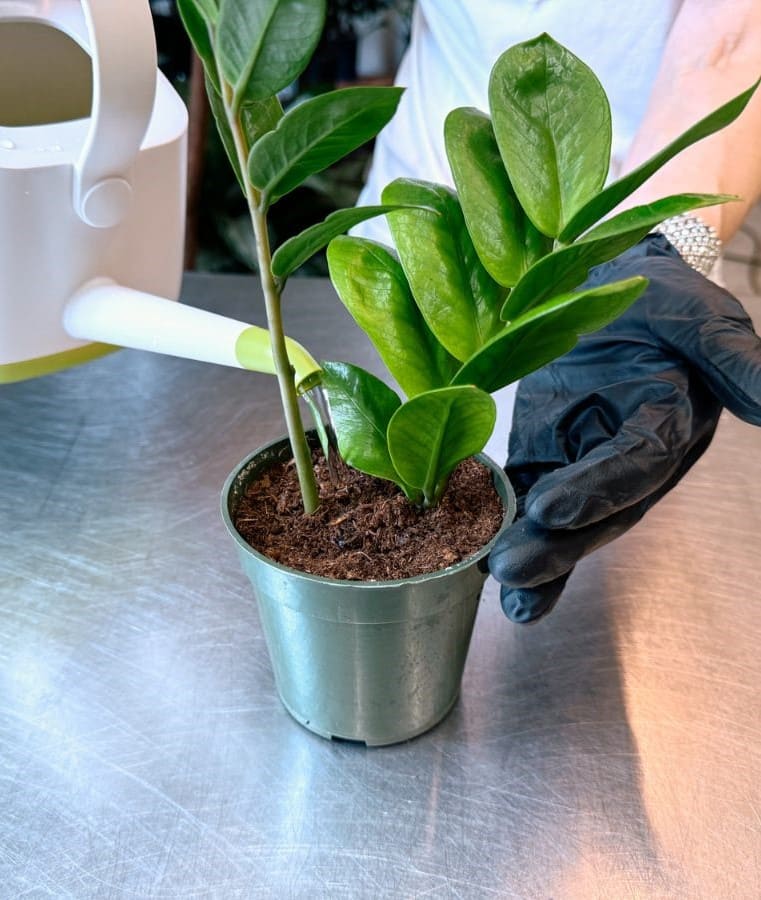
7 Smart Tips to Make Your ZZ Plant Multiply in the Same Pot
The ZZ plant (Zamioculcas zamiifolia) has earned its reputation as one of the toughest houseplants you can own. It tolerates low light, survives missed waterings, and still manages to look glossy and elegant.
But while it’s easy to keep alive, getting your ZZ plant to multiply and fill out into a lush, full display is a different story.
If your plant seems stuck with just a few stems, don’t worry—there’s a reason. ZZ plants grow from thick underground rhizomes, and encouraging those rhizomes to produce new shoots requires the right balance of care.
Here’s exactly how to do it.
1. Keep Your ZZ Slightly Root-Bound
ZZ plants actually prefer being a little cramped in their pots.
When the roots and rhizomes are snug, the plant focuses its energy on producing new shoots rather than expanding roots into empty soil. This leads to a fuller, denser plant over time.
What to do:
Choose a pot only slightly larger than the root system
Avoid oversized containers
Repot only when the plant is clearly overcrowded
Too much space = more roots, fewer stems.
2. Give It Bright, Indirect Light
ZZ plants can survive in low light—but they won’t thrive or multiply there.
Light is the fuel that powers rhizome growth and new shoot production.
Best placement:
Near an east-facing window
Or a south-facing window with sheer curtains
Bright, indirect sunlight is ideal
In dim corners, growth slows to a crawl. In better light, you’ll start seeing new shoots much sooner.
3. Master the Watering Balance
ZZ plants store water in their rhizomes, which makes them drought-tolerant—but also sensitive to overwatering.
To encourage multiplication, you need the right rhythm.
Use the “soak and dry” method:
Water thoroughly until excess drains out
Let the soil dry out completely
Repeat
Why it works:
Keeps rhizomes hydrated and active
Prevents root rot
Encourages steady growth
Too much water = rot
Too little water for too long = survival mode (no new growth)
4. Feed During the Growing Season
Your ZZ plant grows most actively in spring and summer, making this the perfect time to support multiplication.
How to fertilize:
Use a balanced liquid fertilizer (like 10-10-10)
Dilute it to half strength
Feed once a month
Avoid overfeeding—ZZ plants don’t need heavy fertilization. Gentle, consistent feeding is enough.
Important:
Stop fertilizing in fall and winter when growth naturally slows.
5. Choose the Right Soil Mix
Healthy rhizomes are the key to multiplication—and they hate soggy soil.
A well-draining mix ensures your plant stays healthy and productive.
Ideal soil mix:
Regular potting soil
Mixed with perlite, coarse sand, or orchid bark
This creates:
Better airflow
Faster drainage
Healthier root and rhizome development
Heavy, compact soil can suffocate roots and stop growth completely.
6. Don’t Remove Old Stems Too Soon
When older ZZ stems start to yellow or lose their shine, it’s tempting to cut them off right away.
But those stems are still doing important work.
Why you should wait:
They continue sending nutrients back to the rhizomes
They help fuel new shoot development
Only remove stems when they are fully dry and dead.
Think of them as energy reserves for future growth.
7. Be Patient and Stay Consistent
ZZ plants are naturally slow growers. Even under perfect conditions, they don’t rush.
You might only see a few new shoots each year—but that’s normal.
The key is consistency:
Steady light
Proper watering
Seasonal feeding
Over time, small green shoots will begin to appear from the soil—and each one makes your plant fuller and more dramatic.
Bonus Trick: Use Gentle Stress to Trigger Growth
Interestingly, a little controlled stress can encourage your ZZ plant to multiply.
Some growers notice better results when they:
Let the plant dry out slightly longer than usual
Then resume deep watering
This mimics natural drought-and-rain cycles, which can “wake up” the rhizomes and trigger new growth.
Just be careful:
This works best in moderation—extreme stress can harm the plant.
Final Thoughts
Getting your ZZ plant to multiply in the same pot isn’t about doing more—it’s about doing the right things consistently.
Focus on:
Slightly tight roots
Bright, indirect light
Balanced watering
Healthy soil
With time and patience, your ZZ plant will reward you with new shoots and a fuller, more lush appearance.