Introduction
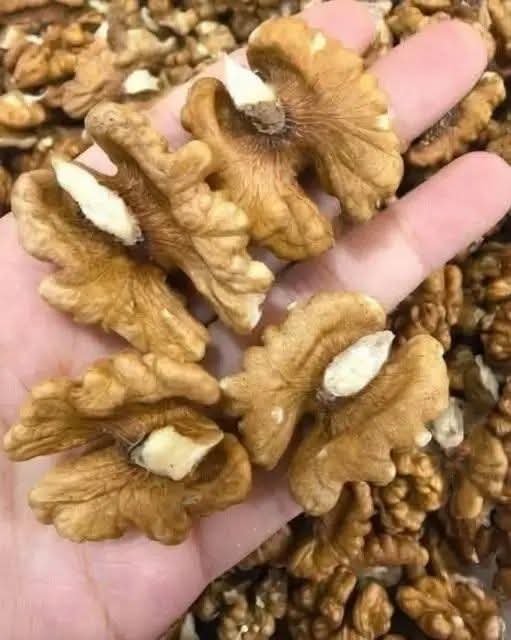
The headline Doctors Reveal That Eating Walnuts Causes Remarkable Changes in the Brain and Body sounds dramatic, but the reality is more measured—and still worth understanding. Walnuts are nutrient-dense tree nuts that provide unsaturated fats, plant-based omega-3 fatty acids, protein, fiber, magnesium, and several naturally occurring plant compounds.
Adding walnuts to a balanced diet may support overall diet quality and certain markers of cardiovascular health. Research has found that walnut-enriched diets can modestly improve blood lipid profiles, including LDL cholesterol, particularly when walnuts replace foods higher in saturated fat. However, walnuts are not a medication, and eating them does not guarantee immediate improvements in memory, sleep, immunity, weight, or any medical condition.
This simple walnut snack uses 5 to 7 whole walnuts, which is roughly equivalent to 10 to 14 walnut halves. They can be eaten plain or combined with oatmeal, Greek yogurt, fruit, or another optional accompaniment. No cooking is required, and the portion can be prepared in minutes.
The goal is not to treat walnuts as a miracle food. Instead, this guide explains how to incorporate a practical portion into an otherwise varied eating pattern while separating reasonable nutrition information from exaggerated health claims.
Why This Recipe Works
This is less of a traditional recipe and more of a simple snack formula. It works because walnuts require virtually no preparation and can be used in both sweet and savory meals.
A standard 1-ounce portion contains approximately 14 walnut halves. According to available nutrition data, that amount provides about 185 calories, 4 grams of protein, 2 grams of fiber, and 18 grams of fat, most of which is unsaturated. Walnuts also provide alpha-linolenic acid, or ALA, a plant-based omega-3 fatty acid.
The combination of fat, protein, and fiber gives walnuts more staying power than many highly refined snacks. Pairing them with yogurt, oatmeal, or fruit can create a more substantial snack or light breakfast.
Walnuts also add texture and flavor without requiring a long ingredient list. Their earthy, slightly buttery taste works with fruit, cinnamon, honey, salads, breakfast bowls, and many other everyday foods.
What the research actually suggests
The strongest evidence relates to cardiovascular risk factors rather than dramatic, whole-body transformation. A meta-analysis of controlled trials concluded that incorporating walnuts into the diet improved blood lipid profiles without adversely affecting body weight or blood pressure. A two-year randomized trial in older adults also found a modest reduction in LDL cholesterol among participants consuming walnuts. PubMed: Controlled-trial meta-analysis and PubMed: Two-year walnut trial.
Evidence concerning brain function is less conclusive. Observational studies have linked walnut consumption with better performance on some cognitive measures, but observational findings cannot establish cause and effect. In a two-year randomized trial of healthy older adults, walnut supplementation did not improve cognition in the group as a whole, although researchers reported possible benefits in certain higher-risk subgroups. PubMed: Walnuts and cognition trial.
In other words, walnuts are a nutritious food, but they should not be presented as a guaranteed method for improving memory, preventing disease, strengthening immunity, or correcting a health condition.
Ingredients You’ll Need
Main ingredient
5 to 7 whole raw walnuts, or approximately 10 to 14 walnut halves
Optional accompaniments
1 cup warm herbal tea
½ cup plain Greek yogurt
1 tablespoon honey
½ cup prepared oatmeal
Optional toppings
Fresh berries
Banana slices
Chia seeds
Ground cinnamon
Almond milk
Only the walnuts are necessary. All other ingredients are optional and can be selected according to the serving method you prefer.
Allergen warning: Walnuts are a tree nut and can cause severe allergic reactions. Anyone with a known or suspected walnut or tree-nut allergy should avoid this recipe and follow guidance from a qualified healthcare professional. The FDA recognizes walnuts among the major food allergens that require clear identification on packaged-food labels. FDA food-allergy guidance.
Ingredient Notes and Substitutions
Walnuts
Choose fresh, raw, unsalted walnuts for the simplest version. Lightly roasted, unsalted walnuts may also be used. Avoid heavily salted, candied, chocolate-covered, or sugar-glazed varieties if you want the nutritional profile to remain close to plain walnuts.
The thin brown skin surrounding the walnut kernel is edible and does not need to be removed. It contributes some of the walnut’s slightly bitter flavor.
Check the walnuts before serving. Fresh walnuts should smell mild and nutty. Discard them if they smell like old oil, paint, or chemicals or if their flavor is sharply bitter or unpleasant, as these qualities can indicate rancidity.
Greek yogurt
Plain Greek yogurt adds protein and creates a creamy contrast to the crunchy walnuts. Regular plain yogurt can be substituted, although its texture will be thinner.
For a dairy-free variation, use an unsweetened plant-based yogurt that is compatible with your dietary needs. Check the label carefully if allergies are a concern because some plant-based products contain nuts.
Honey
Honey is entirely optional. Use it only if additional sweetness is desired. Maple syrup can be substituted as an optional variation.
Honey should not be served to children younger than 12 months because of the risk of infant botulism.
Oatmeal
Use plain cooked oatmeal rather than a heavily sweetened packet if you want greater control over the sweetness. The oatmeal may be served warm or chilled.
Fruit and spices
Berries and banana slices add natural sweetness and make the serving more substantial. Cinnamon contributes flavor without requiring extra sugar. Chia seeds can add texture, but they are optional and should be mixed into a moist food such as yogurt or oatmeal.
How to Make Doctors Reveal That Eating Walnuts Causes Remarkable Changes in the Brain and Body
Step 1: Inspect the walnuts
Measure 5 to 7 whole shelled walnuts. Examine them and remove any pieces that appear moldy, unusually dark, shriveled, or damaged.
Smell one before serving. Walnuts contain a high proportion of unsaturated fat and can develop an unpleasant rancid flavor when stored improperly.
Step 2: Choose your texture
The walnuts can be served whole, broken into pieces, or chopped. For a yogurt or oatmeal bowl, roughly chop them so they are distributed throughout every spoonful.
Whole and large walnut pieces can be a choking hazard for young children. Use an age-appropriate preparation and follow professional feeding guidance when serving nuts to children.
Step 3: Select a serving method
For the simplest option, eat the walnuts plain as a snack.
To make a yogurt bowl, place ½ cup Greek yogurt in a bowl and top it with the walnuts. Add honey, fruit, chia seeds, or cinnamon only if desired.
For an oatmeal bowl, prepare ½ cup oatmeal according to its package instructions. Sprinkle the walnuts over the top and add optional banana, berries, cinnamon, or almond milk.
Step 4: Serve promptly
Eat the snack immediately, especially if the walnuts have been added to yogurt or warm oatmeal. There is no required cooking temperature because the primary ingredient is ready to eat.
Tips and Tricks for Recipe Success
Measure the portion
Walnuts are nutrient-dense but also calorie-dense. Measuring 5 to 7 whole walnuts helps create a consistent portion without eating directly from a large container.
This amount is a practical serving, not a medical prescription. Individual nutritional needs vary according to age, activity, health conditions, medications, and the rest of the diet.
Use walnuts to replace another food
Walnuts are most useful when they replace a less nutritious snack or a food higher in saturated fat rather than simply being added on top of everything else already consumed.
For example, walnuts may replace candy, some packaged snack foods, or part of a serving of cheese. The overall dietary pattern matters more than any single ingredient.
Toast carefully for extra flavor
If you prefer roasted walnuts, spread them in a single layer and toast them at 350°F (175°C) for approximately 5 to 8 minutes. Watch them closely and stir once because nuts can burn quickly.
Let toasted walnuts cool completely before transferring them to a storage container. This roasting step is optional.
Avoid relying on appearance alone
The brain-like shape of a walnut is sometimes used in social-media posts as supposed proof that walnuts specifically improve the brain. A food’s appearance is not scientific evidence of its effect on an organ.
Pay attention to allergies
Do not serve walnuts to anyone with a known walnut allergy. If you are preparing food for guests, clearly disclose that it contains walnuts and prevent cross-contact with other foods and utensils.
Recipe Variations
Walnut yogurt bowl
Combine ½ cup plain Greek yogurt with 5 to 7 chopped walnuts. Add berries, cinnamon, and up to 1 tablespoon honey if desired.
Banana walnut oatmeal
Top ½ cup prepared oatmeal with chopped walnuts, banana slices, and cinnamon. Add a small amount of almond milk to adjust the consistency.
Berry walnut breakfast bowl
Combine Greek yogurt or prepared oatmeal with walnuts and fresh berries. This creates a balance of creamy, juicy, and crunchy textures without requiring elaborate preparation.
Warm cinnamon walnuts
Toast the walnuts briefly at 350°F (175°C), then sprinkle them lightly with cinnamon. No sweetener is required, although honey may be drizzled over them after cooling if desired.
Savory walnut topping
Chop the plain walnuts and scatter them over a salad or vegetable bowl. This variation does not require any ingredients beyond the walnuts and the meal to which they are added.
How to Serve
Serve the walnuts plain at room temperature for a quick snack. If you prefer a sit-down breakfast, add them to yogurt or oatmeal shortly before eating so they retain their crunch.
The warm herbal tea listed in the ingredients can be served alongside any version. It is an accompaniment rather than a required part of the recipe, and it does not activate or increase the walnut’s nutritional properties.
A small bowl or plate can make the portion easier to see and enjoy. Avoid eating directly from a large package when portion control is important.
Serving Suggestions
Walnuts can be included in several everyday meals:
Serve with Greek yogurt and berries for breakfast.
Sprinkle over warm oatmeal with banana and cinnamon.
Pair plain walnuts with fresh fruit for a portable snack.
Add chopped walnuts to a green salad for crunch.
Serve with unsweetened herbal tea in the afternoon.
Use chopped walnuts as a topping for roasted vegetables.
Add a measured portion to a homemade trail mix.
A walnut serving should be considered one component of a meal or snack, not a replacement for a varied diet.
Make-Ahead Instructions
Individual portions can be measured several days in advance. Place 5 to 7 whole walnuts in small airtight containers and refrigerate them until needed.
For oatmeal, prepare the plain oatmeal according to its package directions and refrigerate it in a covered container. Add the walnuts immediately before serving to prevent them from becoming soft.
Yogurt bowls may be assembled up to one day in advance, but store the walnuts separately for the best texture. Add fresh fruit shortly before serving when possible.
Do not mix walnuts into hot oatmeal before long-term storage, as extended contact with moisture will reduce their crunch.
Storage and Reheating Instructions
Storing walnuts
Keep shelled walnuts in an airtight container to protect them from air, moisture, heat, and strong odors. For short-term use, store them in the refrigerator. Freeze larger quantities if they will not be used soon.
Walnuts absorb surrounding odors easily, so keep them away from strongly scented foods. Label the container with the storage date.
If walnuts smell rancid or develop an unpleasant flavor, discard them. Refrigeration and freezing preserve quality, but they cannot restore walnuts that have already become rancid.
Storing prepared servings
A yogurt or oatmeal bowl containing walnuts should be covered and refrigerated promptly. For best quality, consume it within one to two days.
Reheating
Plain walnuts do not need reheating. Refrigerated oatmeal may be reheated until steaming according to the original oatmeal package instructions. Stir well and add the walnuts after reheating so they remain crisp.
Do not microwave the walnuts for an extended period, as their high fat content can cause scorching.
Frequently Asked Questions
How many walnuts make a standard serving?
Approximately 14 walnut halves, or about 7 whole shelled walnuts, equal a 1-ounce serving. Walnut sizes vary, so weighing the portion is the most accurate method.
Do walnuts immediately improve memory?
No reliable evidence shows that eating one portion produces an immediate or guaranteed improvement in memory. Some observational research has linked walnut consumption with better cognitive scores, but randomized evidence remains mixed.
Can walnuts prevent dementia or Alzheimer’s disease?
Walnuts should not be claimed to prevent or treat dementia or Alzheimer’s disease. They may be included as part of a balanced eating pattern, but they are not a substitute for medical evaluation, prescribed treatment, exercise, sleep, or management of cardiovascular risk factors.
Do walnuts lower cholesterol?
Controlled studies suggest walnut-enriched diets can modestly improve total and LDL cholesterol. Results vary, and walnuts should not replace cholesterol medication or professional medical advice.
Are walnuts good for weight loss?
Walnuts contain protein, fiber, and fat, but they are also calorie-dense. They may fit into a weight-management plan when portions are measured and they replace another food. Eating walnuts alone does not guarantee weight loss.
Is it better to eat walnuts in the morning or at night?
There is no established time of day when walnuts become significantly more beneficial. Eat them when they fit naturally into your meals and dietary needs.
Do walnuts guarantee better sleep?
No. Walnuts contain naturally occurring compounds associated with sleep regulation, but eating them does not guarantee better sleep or treat insomnia. Persistent sleep problems should be discussed with a healthcare professional.
Should walnuts be soaked before eating?
Soaking is not required for safety or nutrient absorption. Some people soak walnuts because they prefer a softer texture or milder flavor, but plain raw or roasted walnuts can be eaten directly.
Can everyone eat walnuts daily?
No. People with walnut allergies must avoid them. Anyone with difficulty swallowing, special dietary restrictions, or a condition requiring individualized nutrition advice should consult an appropriate healthcare professional.
Final Conclusion
Doctors Reveal That Eating Walnuts Causes Remarkable Changes in the Brain and Body is an attention-grabbing headline, but walnuts are best understood as a nutritious ingredient—not a miracle treatment.
A portion of 5 to 7 whole walnuts supplies unsaturated fats, plant-based omega-3 ALA, protein, fiber, and several micronutrients. Research supports potential benefits for blood lipid profiles when walnuts are incorporated into an appropriate overall diet. Evidence concerning memory and other cognitive outcomes is promising in some studies but remains mixed and does not justify guaranteed claims.
Enjoy the walnuts plain, combine them with Greek yogurt or oatmeal, or add optional fruit and cinnamon. Measure the portion, store the walnuts properly, and remember that lasting health outcomes depend on the complete dietary pattern and lifestyle—not one food eaten in isolation.